


Kilimanjaro 2027
Following a century-old story to the top of Africa
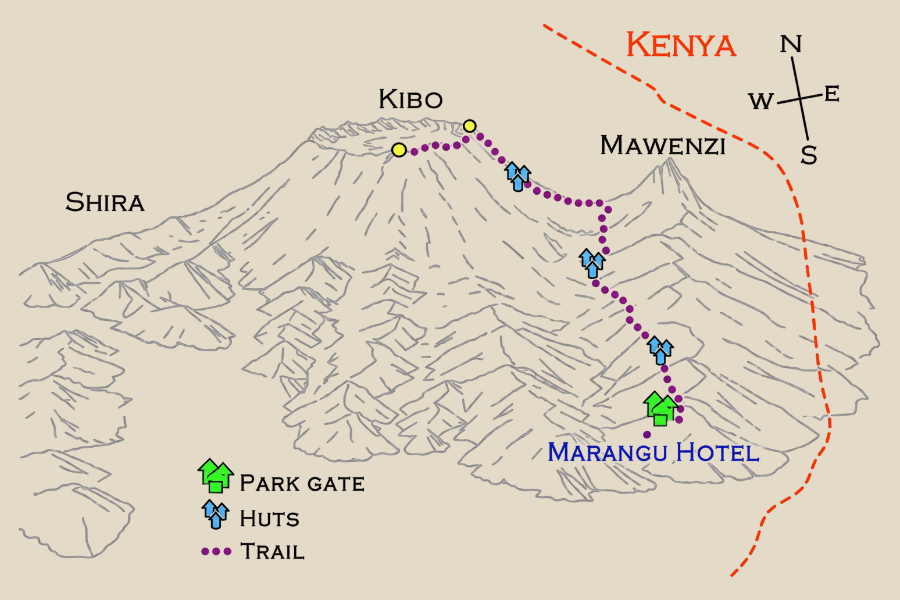
Image courtesy Marangu Hotel
On August 30, 2027, I plan to stand on the summit of Kilimanjaro, exactly one hundred years after Leonard Kephart and Robert Louis Piemeisel became the first Americans to reach it.
I’ll climb with fellow members of the Carolina Mountain Club. We’ll follow the same route Kephart and Piemeisel took, now known as the Marangu route, from rainforest to high alpine desert and into the cold, thin air above. Along the way, I’ll photograph our climb and the landscape, meet people who know the mountain, and draw on Kephart’s journal and photographs to tell the story of both expeditions.
I’m inviting gear partners to help outfit the team and financial sponsors to support my climb and the work of sharing its story through photographs, writing, and presentations.

“This is a record of the first thing, and likely the last, that will ever bring your hubby any fame. On August 30, at 12:50 P.M., Piemeisel and I reached the top of Kilimanjaro, the highest mountain of Africa - the first Americans ever to accomplish it.”
The adventure that started it
On August 30, 1927, Leonard Kephart and Robert Louis Piemeisel became the first Americans to summit Kilimanjaro. They were in East Africa on a USDA research trip looking for drought-tolerant grasses. Leonard’s father, Horace Kephart, wrote Camping and Woodcraft and helped establish Great Smoky Mountains National Park.
Leonard and Robert wore wool coats and pith helmets, pulled wool socks over their hands, and spent a night in a cave near the summit. Leonard’s photographs and journal make the climb feel remarkably close. His account captures the cold, the fatigue, and the effort it took to keep going.
“The next five hours were simply a continued effort to keep going ahead. Progress was extremely slow but at 12:50 on that afternoon of August 30 we scrambled through a notch in the glacier at the top of Kibo and stood at the top of Africa.”
A century later, I’ll follow their route and photograph the places Leonard described. I’ll pair my photographs with his journal and images to tell the story of both climbs.
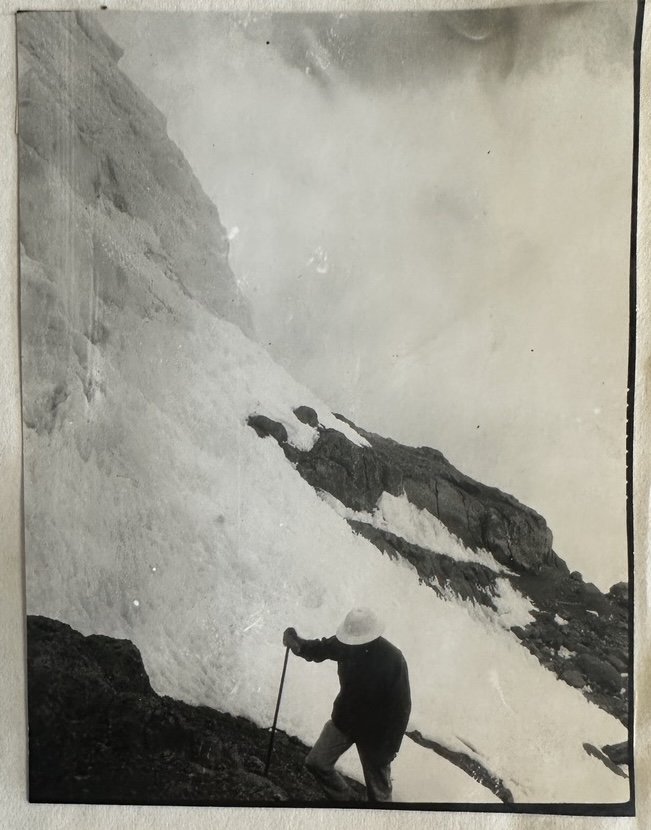
Robert Piemeisel on Kilimanjaro courtesy of Hunter Library, Western Carolina University
Why I’m making this journey
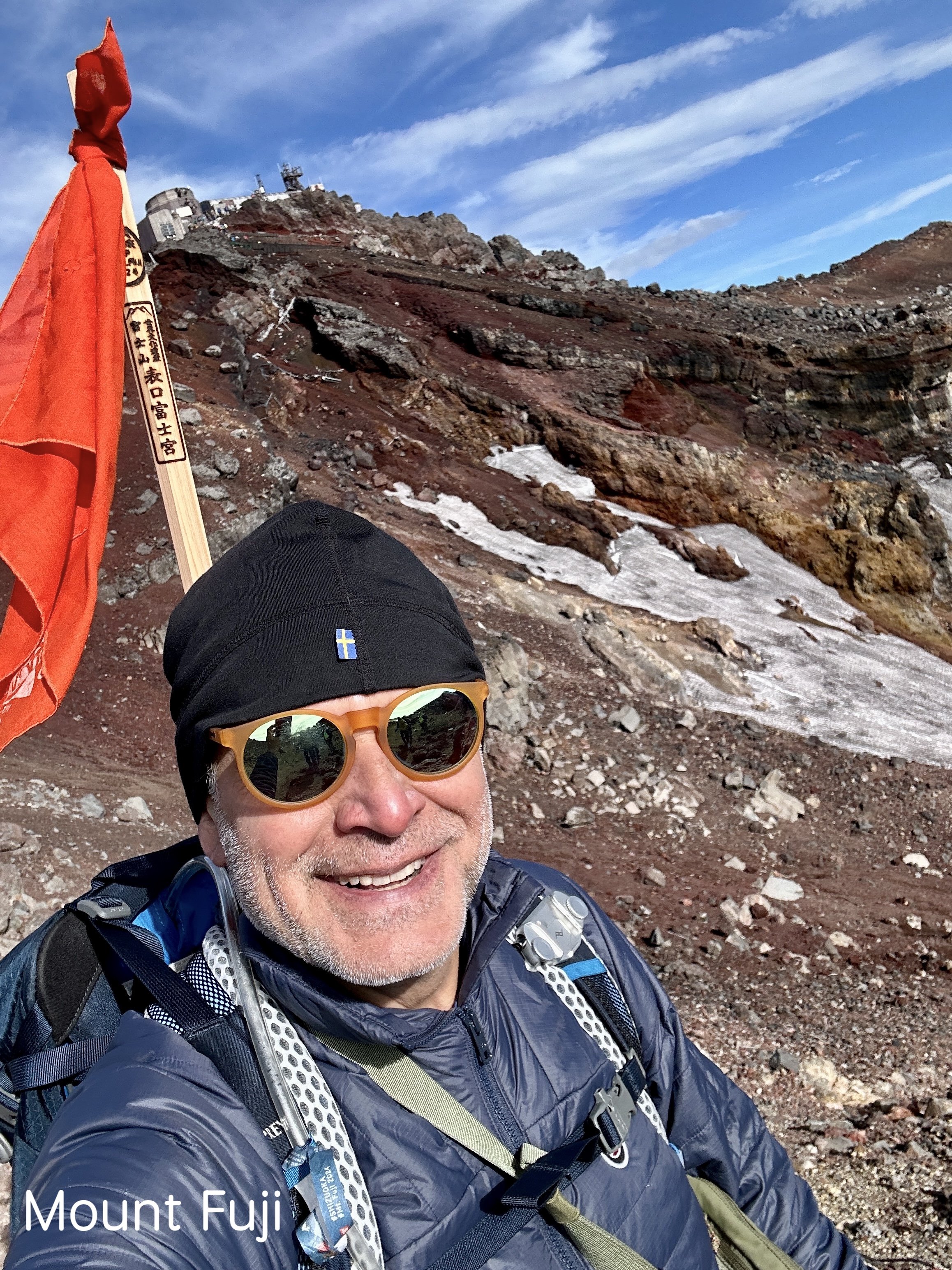
One photograph I want to bring back from Kilimanjaro is the view from the notch in the glacier that Leonard Kephart described in 1927. As a photographer, I want to stand where he stood and see what a century looks like on that mountain.
My journey along Japan’s Shin-etsu Trail, featured in Backpacker and The Japan Times, deepened my interest in the connections between Japan and Appalachia. That curiosity helped lead me to George Masa, the Japanese photographer who worked alongside Leonard’s father, Horace Kephart, to build support for Great Smoky Mountains National Park. I co-founded and now chair the George Masa Foundation, where we bring his legacy into the present by helping young people use photography to tell conservation stories of their own.
My photographs have earned recognition from American Trails and Scenic America, appeared in Blue Ridge Outdoors, A.T. Journeys, and Smoky Mountain Living, and helped tell the conservation stories of the Blue Ridge Parkway Foundation, Friends of the Smokies, and the Southern Environmental Law Center. On Kilimanjaro, I’ll bring that same commitment to the mountain, the people who know it, and the stories waiting along the trail.
At home in Asheville, I maintain a section of the Appalachian Trail with the Carolina Mountain Club. As a trustee of the Blue Ridge Parkway Foundation, I help support the future of a landscape that has shaped my life and my photography.
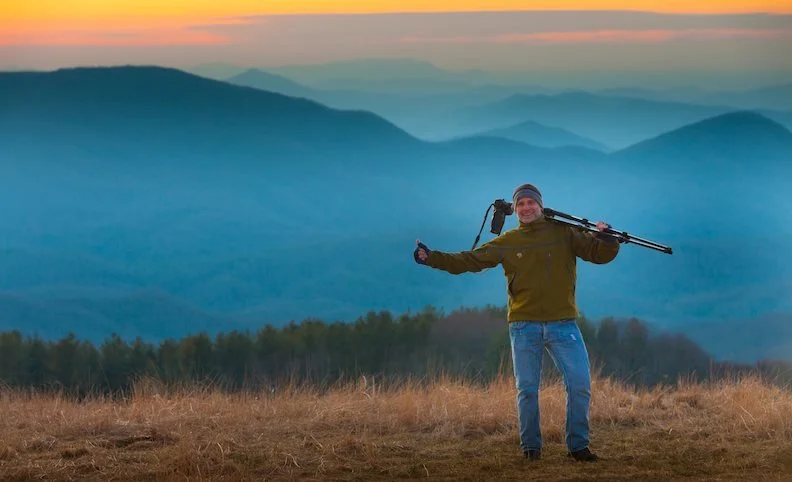
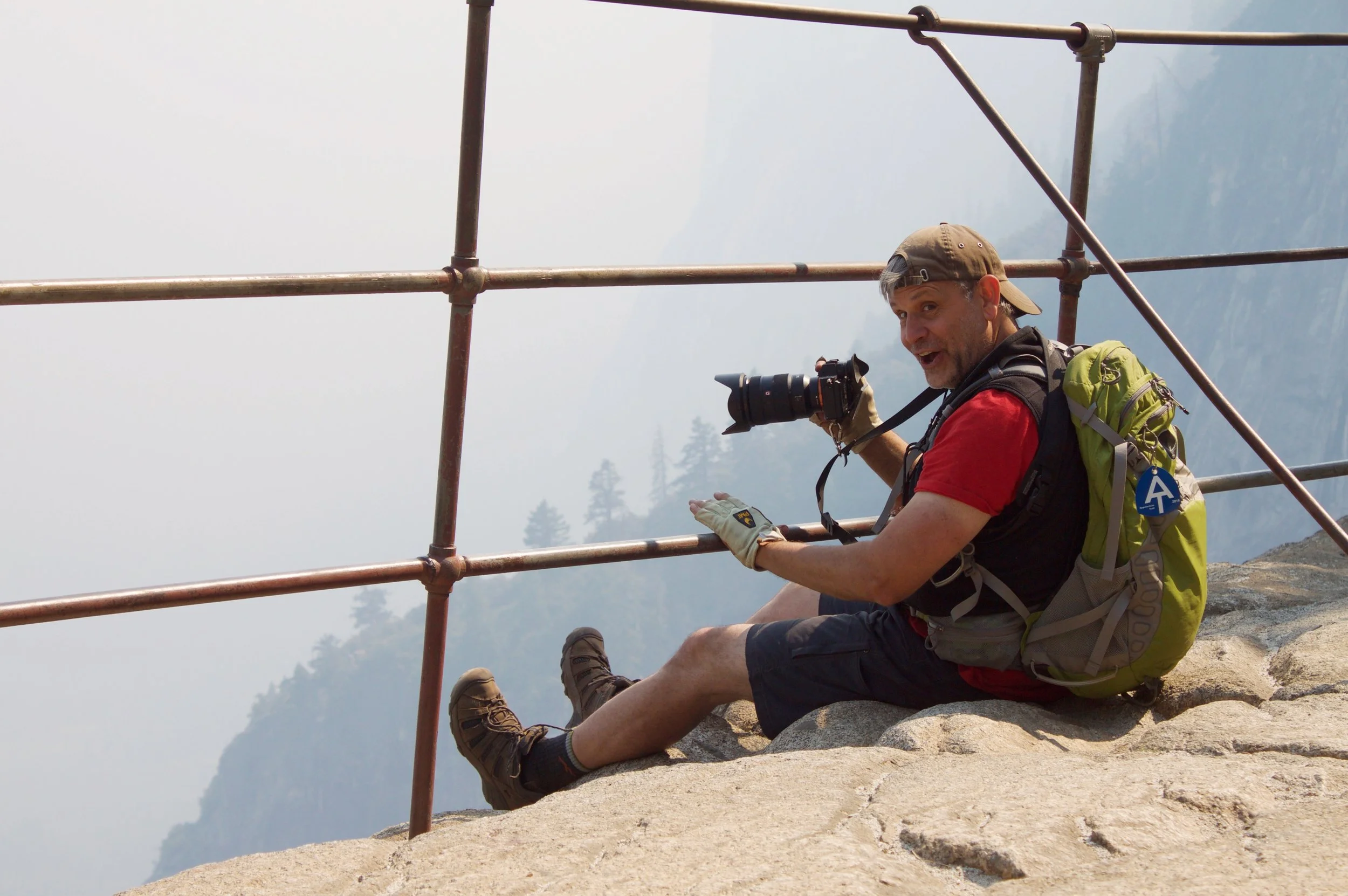
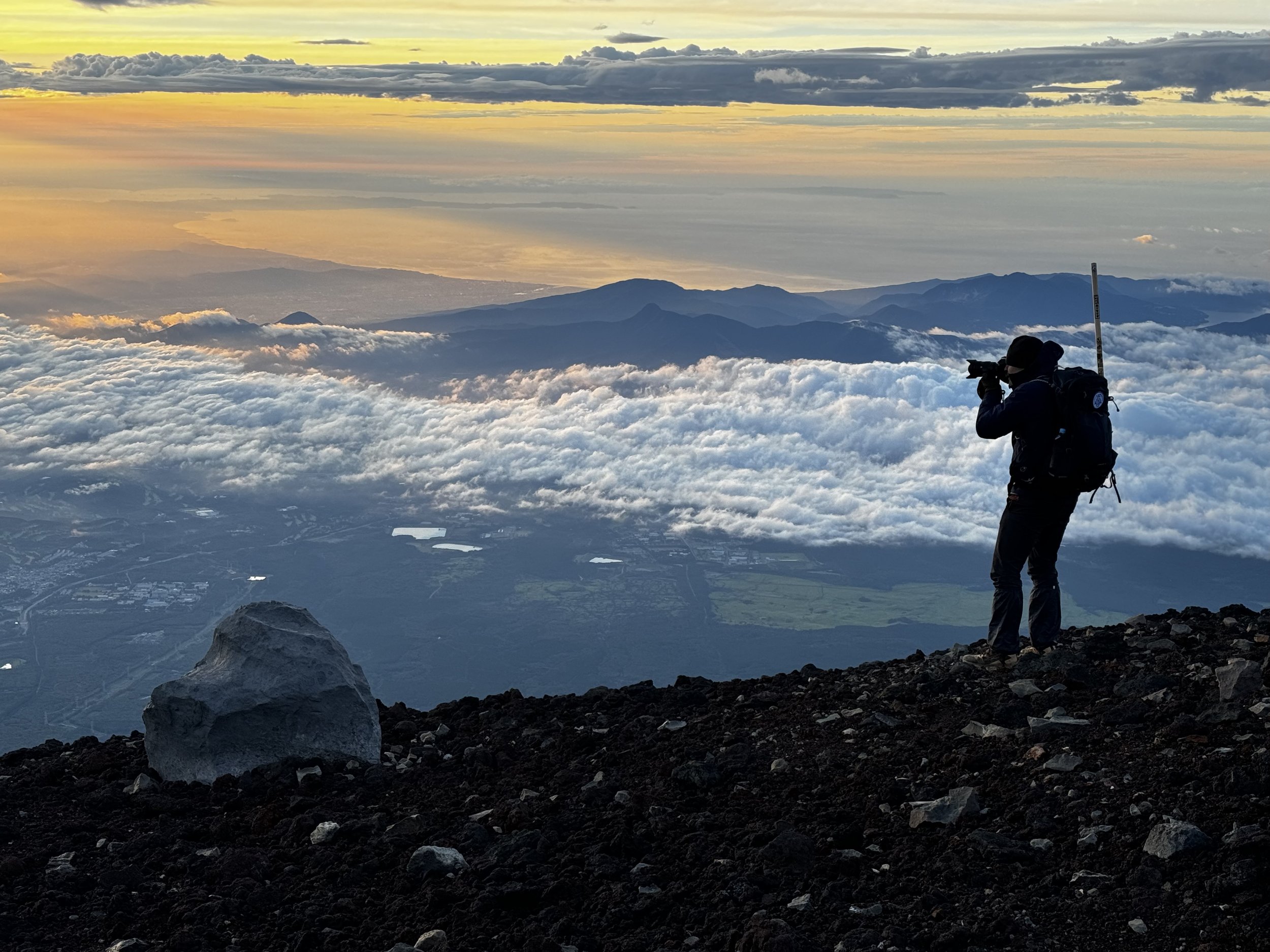
Photos of David Huff by John Warner , Sarah Jones Decker, and Mike White
Give your audience an adventure to follow
I’m seeking funding, equipment, and travel support for the expedition. I’d like to work with partners whose readers, customers, or members would enjoy following this story from the first training hike to the photographs I bring home.
For an outdoor brand, that might mean following a piece of gear from the trails where I train in North Carolina to the upper slopes of Kilimanjaro, with photographs and a firsthand account of how it performed. For a publication, it could mean a photographic feature that pairs scenes from 1927 with my own reporting from the mountain. For a partner hosting an event, I can put the two journeys on screen and tell your audience the stories behind the photographs.